Introduction
In industrial steel construction, exterior wall and roof materials determine building durability.
Most construction failures come from improper material selection and unqualified coatings.
Choosing the right metal sheet can greatly reduce maintenance cost and extend building life.
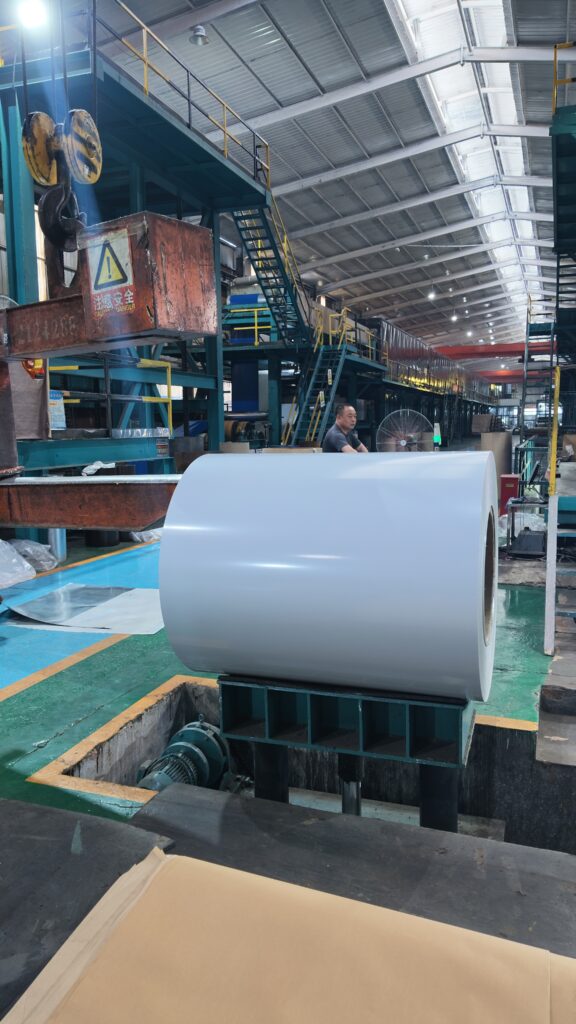
A qualified PPGI coil provides stable anti-rust performance, color consistency and weather resistance. You can view full detailed parameters on our PPGI coil product page.
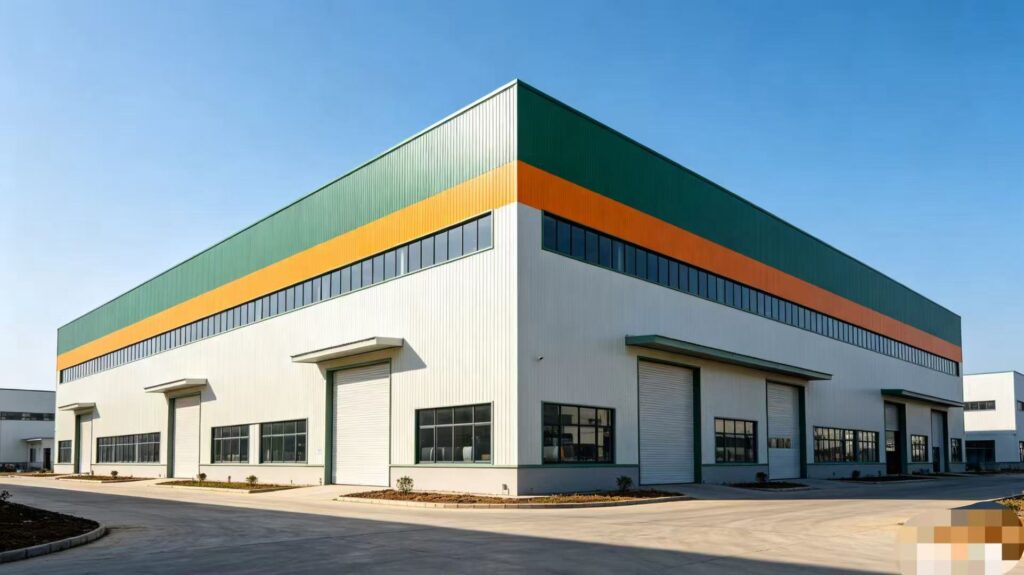
It is widely used in factory roofing, warehouse cladding and commercial building envelopes.
Many buyers struggle with inconsistent quality, fake coatings and non-standard substrates.
This guide lists 9 actionable selection tips to help international buyers avoid common traps.
Every dimension covers substrate, coating, thickness, parameter inspection and export standards.
It is suitable for engineering purchasers, importers and construction contractors.
Select the Right Substrate for Your PPGI Coil Long-term Durability
Hot-Dip Galvanized Substrate for General Projects
Hot-dip galvanized steel is the most common base material for ordinary building sheets, check more details about galvalume steel substrate for harsh environment projects.
It offers balanced anti-corrosion performance and stable market pricing for bulk orders.
This substrate fits dry inland areas, simple warehouses and temporary construction buildings.
Hot-Dip Galvalume Substrate for Standard PPGI Coil General Projects
Galvalume substrate contains aluminum and zinc for improved oxidation resistance.
It performs 30% better in UV resistance compared with traditional galvanized steel.
It is the preferred base material for most long-term factory roof and wall projects.
Al-Mg-Zinc Alloy Substrate for Harsh Environments
Aluminum magnesium zinc substrate has self-healing protection for minor surface scratches.
It delivers excellent salt spray resistance in coastal and chemical industrial zones.
High-end anti-corrosion engineering always chooses this upgraded substrate type.
Distinguish Four Main Coating Grades of PPGI Coil
PE Polyester Coating for General-Grade PPGI Coil in Ordinary Dry Areas
PE coating features great flexibility and low cost for conventional construction usage.
It supports frequent bending and tile pressing without paint cracking or peeling.
The normal service life ranges from 8 to 10 years under standard weather conditions.
SMP Silicon-Modified Polyester Coating for Strong Sunlight Areas
SMP coating improves UV resistance to reduce fading and outdoor powdering issues.
It maintains stable color tone under long-term high-temperature sunlight exposure.
It is ideal for regions with large temperature differences and strong seasonal sunshine.
HDP High-Durability Coating for Long Outdoor Lifespan
HDP high weather resistance coating is designed for permanent outdoor building surfaces.
It resists aging, rain erosion and strong ultraviolet radiation all year round.
Large industrial parks and public venues commonly adopt HDP coated metal sheets.
PVDF Fluorocarbon Coating for Anti-Corrosion PPGI Coil in Extreme Harsh Environments
PVDF fluorocarbon coating is the highest-grade protective coating in the steel industry. It resists acid, alkali, salt fog and industrial chemical gas erosion effectively in line with international fluorocarbon coating industrial anti-corrosion standard.
Master Standard Thickness Specifications for Qualifled PPGI Coil
Recommended Thickness for Factory Roof PPGI Coil Sheets
Industrial roof panels require enough rigidity to resist wind pressure and snow pressure.
The safe thickness range for factory roofing is from 0.35 mm to 0.6 mm.
Standard thickness prevents sheet sagging, deformation and rainy season water leakage.
Suitable Thickness for Exterior Wall Cladding PPGI Coil
Wall panels focus on flat appearance and basic outdoor anti-aging performance.
The common wall cladding thickness ranges from 0.30 mm to 0.50 mm.
This specification balances structural stability and overall project cost control.
Budget Thickness for Temporary Buildings and Interior Usage
Temporary warehouses and indoor partitions do not require ultra-high rigidity.
0.25 mm to 0.30 mm thin sheets are fully qualified for short-term construction.
Choosing reasonable thickness helps buyers optimize overall procurement budget.
Check Zinc Layer Weight to Judge Anti-Rust Ability of PPGI Coil
Zinc layer weight directly decides the basic anti-corrosion capacity of steel sheets, which is tested strictly according to the official hot-dip galvanized zinc coating test standard.
Low zinc weight leads to fast oxidation, rust spots and early coating failure.
Professional buyers always verify zinc coating data before confirming bulk orders.
60g–120g zinc weight meets most inland ordinary industrial environments.
120g–180g high zinc layers suit humid cities and medium-corrosion regions.
Coastal projects need over 200g galvalume layers for long-term safe usage.
Verify Front and Back Film Thickness Standards of PPGI Coil
Coating film thickness determines paint adhesion, anti-UV ability and color stability.
Unqualified thin film causes fast fading, peeling and poor weather resistance.
Export-grade products strictly follow unequal front and back film thickness design.
Front outdoor surface film thickness normally reaches 20μm–35μm following global color coated steel paint film thickness specification.
Back indoor surface adopts thinner coating for cost-effective protection.
Uniform film thickness ensures consistent quality in every production batch.
Inspect Surface Quality to Reject Defective Sheets
Qualified industrial metal sheets present smooth surface and uniform color tone.
No bubbles, pinholes, scratches or color difference appear on standard products.
Flat cutting edges without burrs ensure neat pressing and installation effects.
Inferior recycled sheets have dark spots, uneven gloss and repair traces.
These defective products easily peel off after short outdoor exposure.
Strict surface inspection is essential for qualified export container loading.
Match PPGI Coil Grades with Actual Application Scenarios
Ordinary Inland Factory and Warehouse Projects
Dry and low-pollution areas can adopt standard PE coated common-grade sheets.
This configuration achieves perfect balance between quality and economic cost.
It is the most widely used solution for conventional industrial construction.
Strong Sunshine and High-Temperature Outdoor Areas
High UV radiation areas must select SMP or HDP high weather resistance grades.
These coatings effectively slow down fading, powdering and surface aging speed.
They keep building exterior neat and unified for more than 10 years.
Coastal Salt Fog and Chemical Industrial Zones
High-corrosion environments require PVDF fluorocarbon coating and high zinc layers.
This premium combination resists salt fog, chemical gas and humid erosion.
It greatly reduces later maintenance frequency and overall engineering replacement cost.
Focus on Export Packaging and Container Loading Standards
International shipping requires complete waterproof and anti-scratch packaging.
Standard export packing includes waterproof film, kraft paper and edge protectors.
Steel belts fix each coil tightly to avoid displacement during long ocean transport.
Formal factories provide professional stacking scheme for full-container goods.
Scientific loading minimizes deformation, scratch and wet damage risks.
Standard packaging is a basic guarantee for intact cross-border delivery.
Confirm Supplier Qualification and After-Sales Support
Reliable manufacturers own complete ISO certificates and batch test reports.
They can provide official MTC documents to support customs clearance and inspection.
Stable production lines ensure consistent quality for repeated bulk export orders.
Professional suppliers offer technical guidance for different regional climates.
They customize suitable material parameters according to local wind and rain conditions.
Complete after-sales system solves quality problems efficiently for overseas clients.
Conclusion
Choosing qualified PPGI Coil and building materials is the core of industrial project quality control.
These 9 systematic selection tips help buyers eliminate low-quality and fake PPGI Coil products.
Reasonable matching of substrate, coating, thickness and parameters maximizes value.
Cooperating with standardized factories ensures stable supply and long-term safety.
Scientific material selection effectively lowers project risk and maintenance expense.
It creates durable and beautiful building enclosure systems for global constructio