The galvanized steel coil has become a driving force in the rapid development of the global construction automotive and manufacturing industries automotive, and manufacturing industries, the market demand for high-strength, anti-corrosive metal materials keeps rising. Among various metallurgy products, the galvanized steel coil stands out with its outstanding rust resistance, cost-effectiveness, and excellent mechanical workability.
It has become an indispensable core material widely adopted in modern structural engineering, HVAC systems, and industrial production.
More and more global enterprises choose high-quality galvanized steel coil as the preferred raw material to upgrade product longevity and boost market competitiveness.
To learn more about our company’s advanced production capacity and international supply chain, you can check our about us page.
This comprehensive guide will take you deep into the manufacturing process, core strengths, and mainstream applications of this essential steel product.
1. What Is Galvanized Steel Coil (GI Coil)?
Often abbreviated as GI coil, a galvanized steel coil is a continuous carbon steel sheet that has undergone a specialized zinc-coating process.
By applying a protective zinc layer to the surface of cold-rolled or hot-rolled steel substrates, the material gains a dual-defense mechanism against atmospheric erosion.
In the international steel trade, it is widely recognized under several mainstream names, including Prepainted Galvanized Steel Coil base material, hot-dip galvanized steel, and zinc-coated steel sheets.
Depending on the cooling technology and production formulations used during manufacturing, the surface appearance of the finished steel can be customized into various surface types to suit specific engineering needs:
- Regular Spangle: Features the traditional, classic zinc flower patterns widely used in structural parts.
- Minimum/Small Spangle: Possesses a subtle, faint pattern suitable for general industrial profiling.
- Zero Spangle (Smooth Finish): Offers a completely smooth, uniform surface, making it the perfect substrate for subsequent color coated steel coil production.
2. The Hot-Dip Production Process of Galvanized Steel Coil
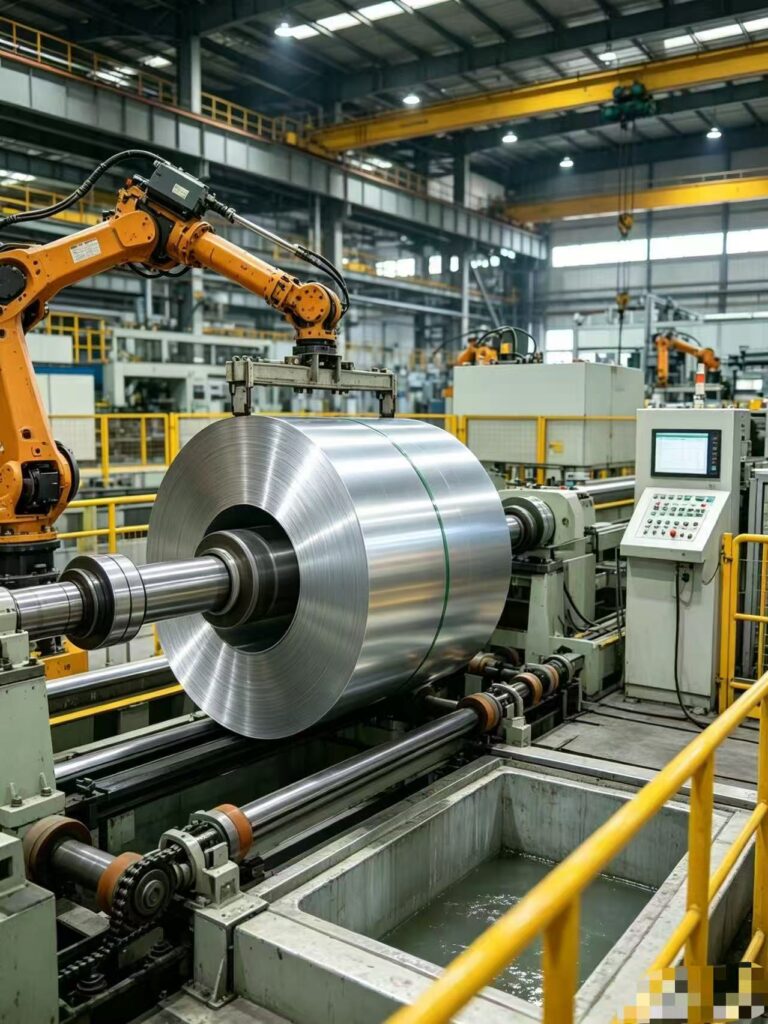
Figure 1: High-precision continuous hot-dip zinc coating line for durable galvanized steel coil production.
Premium finished products rely on advanced automated equipment and rigorous quality control. The complete production workflow of a high-performance galvanized steel coil consists of the following 4 core stages:
Stage 1: Substrate Preparation & Annealing
The process begins with selecting premium full-hard cold-rolled steel coils as the base material.
The steel sheet enters a continuous annealing furnace where it undergoes high-temperature heating to eliminate internal stress, recrystallize the grain structure, and achieve the desired mechanical properties (such as tensile strength and yield strength).
Stage 2: Continuous Cleaning & Pretreatment
Before dipping into the molten zinc, the steel surface must be perfectly clean.
The continuous production line utilizes alkaline degreasing, water rinsing, and acid pickling to thoroughly remove rust, oil residues, and surface oxides, ensuring optimal bonding between the steel and the zinc layer.
Stage 3: Hot-Dip Zinc Coating Bath
This is the most critical metallurgical reaction phase.
The cleaned steel sheet is continuously immersed in a molten zinc pot heated to approximately 450°C to 460°C. A chemical reaction occurs, forming a dense iron-zinc alloy layer that bonds permanently with the substrate steel.
Stage 4: Air Knife Wiping & Post-Treatment
As the steel emerges from the molten pot, high-pressure air knives precisely control the thickness and weight of the zinc coating (ranging from 40g to 275g/m²). It then undergoes cooling, skin-pass rolling for flatness, and chemical passivation (chromated or anti-fingerprint treatment) to prevent storage stain or white rust.
3. Core Advantages of High-Quality Galvanized Steel Coil
Why do global B2B procurement managers increasingly favor this material?
It delivers multiple irreplaceable operational advantages:
1. Unmatched Corrosion Resistance (Sacrificial Protection)
The primary benefit of the galvanized steel coil is its sacrificial anode protection. Even if the outer layer is scratched during fabrication or installation, the surrounding zinc layer will oxidize first to protect the underlying steel substrate, successfully preventing rust from spreading.
2. Superior Mechanical Formability & Ductility
Modern continuous galvanizing lines ensure that the zinc layer adheres tightly without peeling.
Whether undergoing complex 180-degree bending, deep stamping, roll forming, or industrial welding, the high-quality galvanized steel coil maintains its structural integrity easily.
3. Long Service Life & Maintenance-Free Performance
In standard urban or rural environments, a standard 275g/m² zinc layer provides up to 30 to 50 years of reliable protection without requiring secondary painting, significantly lowering the lifecycle maintenance costs of large infrastructure projects.
4. Mainstream Application Fields of Galvanized Steel

Figure 2: Heavy-duty structures utilizing structural galvanized steel coil for long-lasting corrosion protection.
The industrial versatility of the galvanized steel coil makes it a staple material across three major sectors:
1. Structural Construction & Infrastructure
The building sector accounts for the largest market share. It is widely formed into corrugated roofing sheets, floor decks, light steel villas, purlins, HVAC ductwork, and structural wall framing panels for industrial workshops and warehousing logistics centers.
2. Substrate for Downstream Prepainted Steel Production
Zero-spangle GI coils serve as the primary substrate for manufacturing premium color coated steel coil and PPGI products, providing the essential corrosion resistance beneath colorful organic coatings.
3. Automotive Components & Home Appliances
Due to its high flatness and rust resistance, it is extensively used for manufacturing automotive body panels, chassis parts, refrigerator back panels, washing machine cabinets, and high-end computer casings.
5. How to Select a Reliable Galvanized Steel Coil Manufacturer
When sourcing industrial metal materials, buyers should evaluate suppliers based on these four strict technical parameters:
- Zinc Coating Mass Verification: Ensure the manufacturer provides certified testing (e.g., Z120, Z275) to meet the exact environmental conditions of your engineering site.
- Base Metal Tolerances: Reliable galvanized steel coil factories control thickness tolerances within ±0.02mm using precision cold-rolling mills.
- International Standards & Certifications: Only partner with factories certified under ISO9001, CE, SGS, or BV inspections to guarantee compliance with ASTM, EN, or JIS standards.
For a detailed breakdown of our full metal product range, please visit our verified product catalog page.
6. Conclusion & Global Market Trends
Driven by the rise of green buildings and prefabricated modular structures in regions like Saudi Arabia, the UAE, South Africa, and Brazil, the global market for high-durability galvanized steel coil continues to expand rapidly in 2026. Choosing an eco-friendly, zero-spangle zinc coil ensures compliance with strict low-carbon building regulations while maximizing your economic value.
Get a Free Quote & Technical Support
If you are looking for high-quality galvanized steel coils or specific customized specifications (thickness, width, or zinc coating weight), please feel free to contact us for a free quotation:
- WhatsApp: +86 139 0543 6749
- Email: jenny@sbtgi.com
- Website: www.sbtgi.com